Loveland, CO Emergency Roof Leak Repair & Hail Damage Triage
24/7 emergency roof repair dispatch in Loveland, CO. Foothills hail mitigation, Big Thompson storm leak triage, and licensed Larimer County contractors.
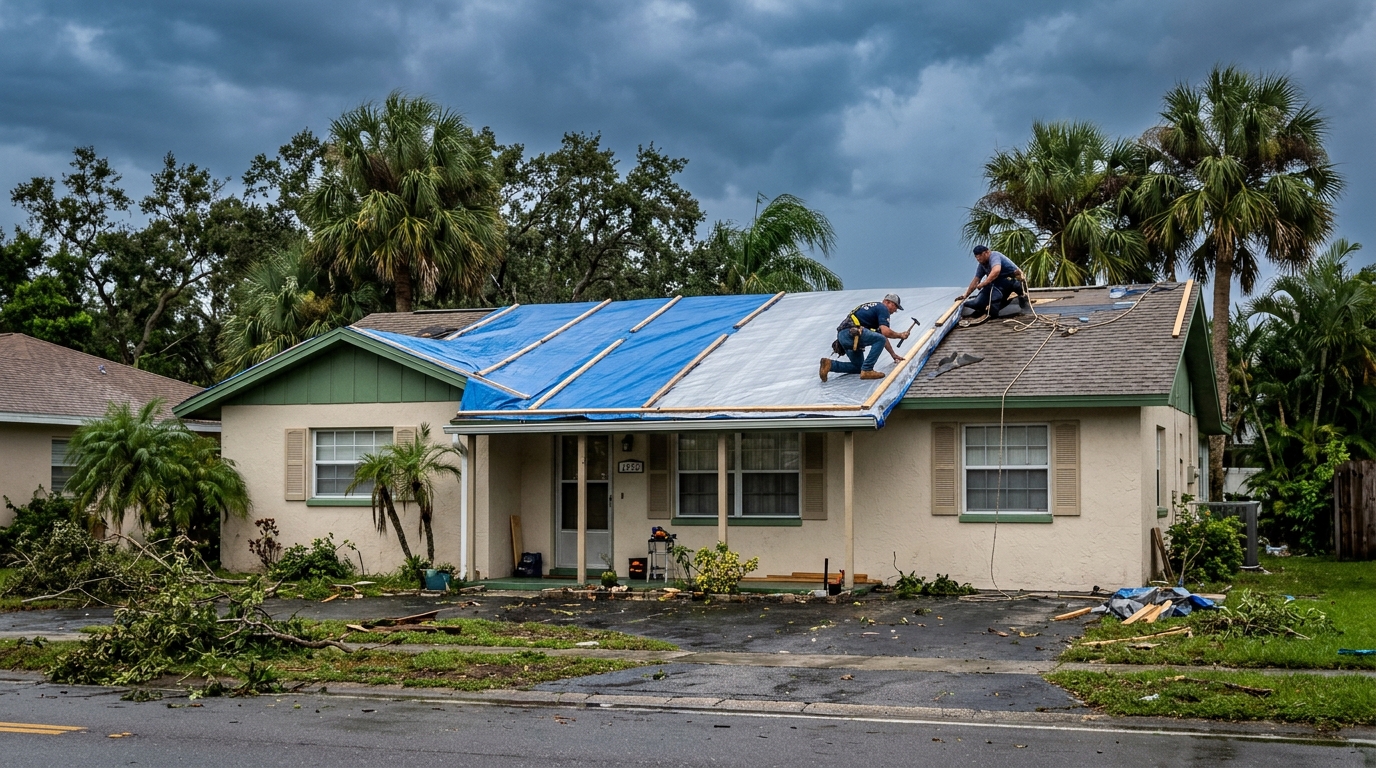
Rapid Emergency Response for Loveland Residential & Commercial Roofs
Located directly south of Fort Collins along the Big Thompson River corridor, Loveland, Colorado experiences severe Northern Front Range weather dynamics. From historic brick residences near Lake Loveland and established ranch subdivisions along 29th Street to sprawling newer master-planned developments in Centerra and The Lakes at Centerra, properties are vulnerable to extreme foothills thunderstorm turbulence, high-velocity canyon wind funnels, and dense upslope snowfalls. When hailstorms rip through the US-34 corridor, impact shock fractures shingle backing mats, tears off ridge caps, and compromises chimney flashing. Our 24/7 independent emergency roof dispatch service connects Loveland homeowners and commercial facility managers directly with licensed, vetted Larimer County roofing contractors ready for rapid deployment.
Localized Microclimate & Repair Protocols – Loveland Roof Repair
- Rapid Suburb Dispatch: Dedicated Larimer County mobile staging units delivering 60-120 minute emergency arrival times across Loveland Roof Repair neighborhoods.
- High-Wind Anchoring: 10-mil reinforced woven polyethylene tarps secured with screwed 2x4 lumber battens rated for 70+ MPH gusts.
- FLIR Infrared Moisture Detection: Calibrated non-invasive thermal imaging cameras tracing water migration along rafters and ceilings without destructive tearing.
- Municipal Code Compliance: Strict adherence to local building department permitting, high-wind 6-nail fastening, and ASTM D1970 ice-and-water barrier mandates.
- Comprehensive Insurance Packets: Forensic drone imagery, standardized 10x10 Haag test squares, and line-item Xactimate estimates for rapid adjuster approvals.
1. Big Thompson Canyon Wind Funnels and Foothills Microclimates
Loveland's proximity to the Big Thompson Canyon mouth creates unique localized aerodynamic challenges. Gravity-driven canyon winds accelerate eastward, producing severe localized wind shear and turbulence across western Loveland neighborhoods. Shingles on windward roof pitches suffer intense uplift pressure, loosening adhesive sealant strips and allowing subsequent rainstorms or winter snowdrifts to drive water uphill beneath overlapping tabs. Dispatched emergency technicians evaluate aerodynamic storm patterns, securing torn shingles with engineered fasteners and heavy-duty elastomeric mastic to arrest immediate leaks.
2. Lake Loveland High-Humidity Freeze-Thaw and Ice Dam Formation
Neighborhoods surrounding Lake Loveland and Boyd Lake experience localized microclimate humidity that exacerbates winter freeze-thaw cycles. During heavy spring snowstorms, snow blankets rooftops while interior heat escapes into attic cavities. The resulting meltwater flows down cold roof eaves and freezes at unheated overhangs, creating massive ice barriers. Water backs up behind the ice dam, infiltrating beneath shingles and penetrating interior drywall along exterior perimeter walls. Dispatched specialists deploy low-pressure steam ice removal protocols and install temporary water-diversion channels to stop drywall flooding.
3. Forensic 10x10 Test Squares and Hail Damage Mapping
Severe summer convective storms frequently track northeast along the I-25 corridor, dropping dense golf-ball and hen-egg sized hailstones across Loveland. Dispatched roof inspectors conduct rigorous Haag-standard forensic audits, establishing 10x10 foot test squares on all roof exposures. By documenting verified impact strikes, fiberglass mat fractures, and granule loss with high-contrast surveyor chalk, technicians compile comprehensive insurance claims packets that substantiate the necessity of full roof replacement under standard Colorado property casualty policies.
4. City of Loveland Building Division Permitting and Codes
The City of Loveland Building Division enforces the 2021 International Residential Code (IRC) with local Larimer County amendments. All roofing projects exceeding one square of material require a formal building permit pulled by a licensed and insured Colorado roofing contractor. Local regulations mandate ASTM D1970 self-adhering ice-and-water barrier underlayment extending from roof eaves to a point at least 24 inches inside the interior heated wall line. Dispatched contractors ensure all emergency mitigation and subsequent restorative repairs strictly comply with Loveland municipal standards.
5. Architectural Shingle Upgrades and Impact-Resistant Class 4 Systems
Following emergency stabilization, Loveland property owners are guided through permanent restorative solutions. Dispatched contractors specialize in installing UL 2218 Class 4 impact-resistant SBS-modified asphalt shingles and standing seam metal roofing engineered to withstand 2-inch hail impacts and 130 MPH wind gusts. Beyond providing superior structural protection, Class 4 roofing installations often qualify Loveland homeowners for substantial annual premium discounts (up to 20-25%) from major Colorado insurance carriers.
Need Emergency Roof Service in Loveland Roof Repair?
Zero forms, zero waiting. Connect directly with an emergency roof dispatch specialist to route licensed Larimer County crews to your property.
CALL NOW: (888) 208-4155Frequently Asked Questions – Loveland Roof Repair Emergency Response
How quickly can emergency roofing contractors arrive in Loveland?
Our dispatch coordinators connect you with on-call licensed Larimer County contractors typically mobilized within 60 to 120 minutes across all Loveland zip codes (80537, 80538), prioritizing active indoor leaks and storm-compromised roof decks.
Does the City of Loveland require a permit for roof leak repair?
Emergency stabilization and temporary tarping do not require a permit. However, permanent structural repairs or full replacements exceeding 100 square feet mandate a City of Loveland building permit pulled by a licensed contractor.
Can ice dams be prevented on older Loveland ranch homes?
Yes. In addition to emergency steam removal, long-term prevention involves increasing attic R-value insulation (R-60 recommended), sealing attic air bypass leaks, ensuring continuous soffit-to-ridge ventilation, and installing self-adhering ice-barrier membranes along all eaves.