Forensic Hail Storm Damage Roof Inspection in Fort Collins, CO
24/7 hail storm damage roof inspection in Fort Collins, CO. Forensic 10x10 test square audits, shingle fracture mapping, and insurance adjuster reports across Larimer County.
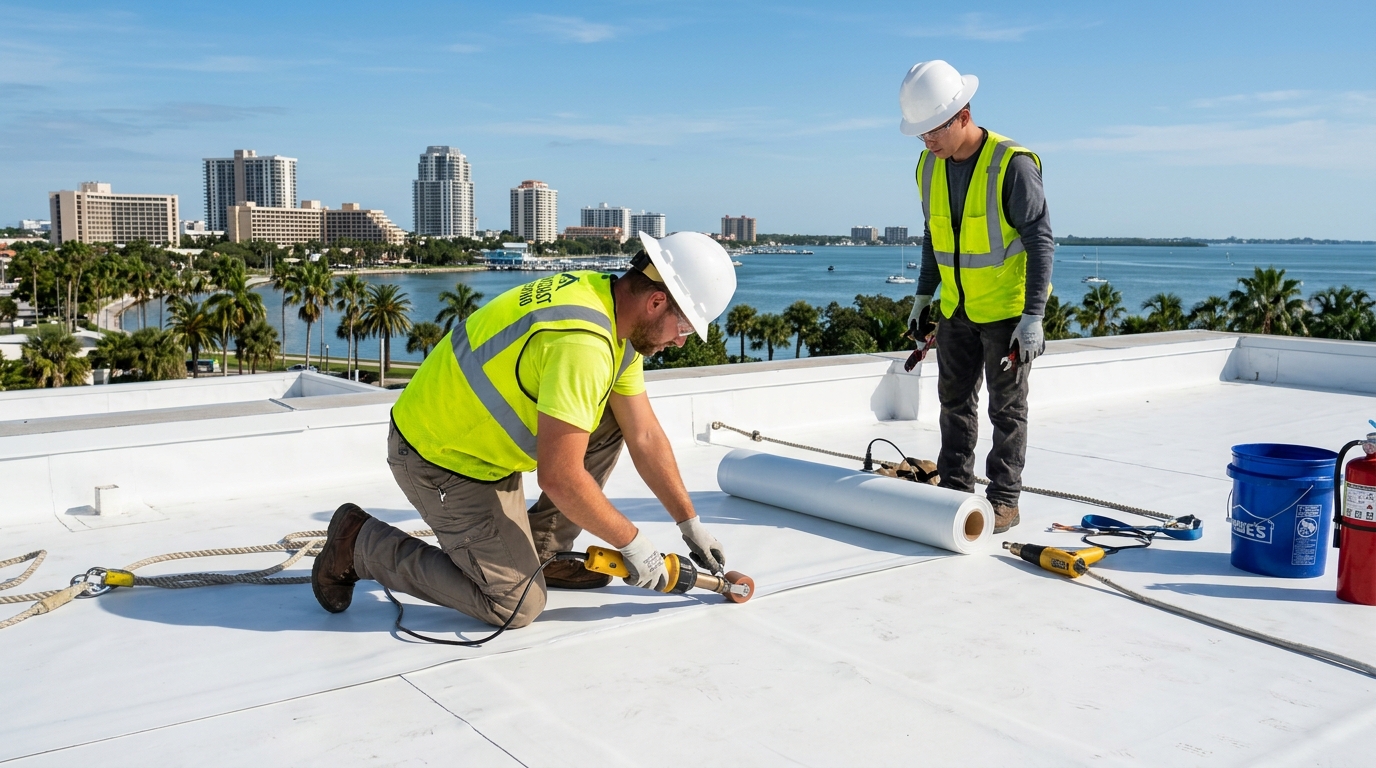
Precision Forensic Diagnostics for Front Range Convective Hail Barrages
Fort Collins sits squarely inside Colorado's infamous Hail Alley, where cold mountain air colliding with warm plains moisture generates catastrophic convective supercells. Hailstones ranging from marble-sized 0.75-inch stones to golf-ball (1.75-inch) and baseball-sized (2.75-inch) projectiles slam into residential rooftops at terminal velocities exceeding 75 to 90 MPH. While catastrophic shingle punctures are immediately noticeable, the vast majority of hail strikes create latent, microscopic damage - bruising asphalt mats, dislodging protective mineral granules, and fracturing fiberglass backing fibers. Our 24/7 independent emergency roof dispatch service routes vetted, licensed Colorado roofing contractors to perform forensic inspections that document every impact before permanent leaks rot your roof deck.
Key Technical Engineering Protocols – Hail Storm Damage Inspection
- Rapid Emergency Triage: Direct telephone-to-technician dispatch across all Fort Collins, Loveland, and Larimer County zip codes with zero web form delays.
- Non-Destructive Moisture Tracing: Calibrated FLIR infrared thermography and electronic impedance scanners to isolate subterranean leaks without destructive deck tearing.
- High-Wind & Snow Compliance: Full conformance with 2021/2024 International Residential Code (IRC) R905 wind-resistance nailing and continuous ice-barrier provisions.
- Licensed Colorado Contractors: Vetted independent roofing professionals carrying verified active general liability and worker's compensation coverage.
- Transparent Carrier Documentation: Standardized forensic photo packets, Haag-methodology test square documentation, and Xactimate line-item estimates aligned with insurance adjuster guidelines.
1. Convective Hailstone Physics and Subsurface Asphalt Bruising
When dense, hard hailstones strike asphalt shingles, kinetic energy compresses the protective mineral granule surfacing into the underlying bitumen coating. This compression fractures the delicate fiberglass reinforcement mat on the shingle underside, creating a localized void known as a bruise. While the shingle may appear intact from ground level, the loss of mineral granules leaves the raw asphalt exposed to Fort Collins intense high-altitude ultraviolet radiation (elevation 5,003 ft). Within 6 to 18 months, solar UV degrades the unshielded binder, causing the shingle to dry, curl, crack, and admit water directly into underlying plywood decking.
2. Standardized 10x10 Forensic Test Square Methodology
Dispatched roofing specialists adhere to the Haag Engineering forensic inspection standard recognized by major property casualty insurance carriers nationwide. On every directional roof pitch (North, South, East, West), technicians chalk out a standardized 10-foot by 10-foot (100 square foot) test square. Within each test square, the inspector meticulously examines each individual shingle tab using oblique tactile hand pressure and high-contrast surveyor chalk to identify and highlight valid hail impact strikes. Capturing 8 to 10 verified hail impacts per test square provides conclusive forensic proof of functional roof failure required for full insurance replacement approval.
3. Collateral Property Damage Mapping
A bulletproof hail damage insurance claim requires demonstrating collateral property damage corroborating hail size and fall directionality. Inspectors conduct an exhaustive ground-to-eave audit of all soft metals and exterior surfaces: dented aluminum gutters and downspouts, spatter marks on painted wood siding, fractured window screens, pitted AC condenser heat exchanger fins, and dented metal ridge vents. By mapping impact densities across soft metals, contractors establish unassailable evidence verifying that storm-induced hail struck the property on the specified date of loss.
4. High-Resolution Drone Photogrammetry and FLIR Moisture Scanning
On steep-pitch or complex multi-story roofs where foot traffic could compromise fragile post-storm shingles, dispatched contractors deploy high-resolution commercial drones equipped with 4K optical cameras and RTK GPS positioning. Drone photogrammetry generates millimeter-accurate 3D point-cloud models, pinpointing missing ridge caps, micro-fractures, and gutter overflow marks. Concurrently, technicians utilize FLIR thermal imaging cameras on the interior attic assemblies to detect temperature anomalies caused by active moisture intrusion beneath hail-bruised underlayments.
5. Colorado SB 12-038 Compliance and Insurance Scope Verification
Navigating roof insurance claims in Colorado requires strict compliance with Colorado Senate Bill SB 12-038 (the Consumer Protection Act for Residential Roofing). This statute explicitly prohibits roofing contractors from paying, rebating, or waiving homeowner deductibles. Our dispatched contractors operate with complete transparency, providing comprehensive forensic engineering reports, itemized Xactimate material estimates, and high-definition photo packets that enable insurance adjusters to approve full roof replacements without delay or legal friction.
Need Immediate Assistance with Hail Storm Damage Inspection in Fort Collins?
Zero forms, zero waiting. Connect directly with an emergency roof dispatch specialist to route licensed Larimer County crews to your property.
CALL NOW: (888) 208-4155Frequently Asked Questions – Hail Storm Damage Inspection in Fort Collins
How do I know if my roof has hail damage if I do not see any leaks?
Hail damage rarely causes immediate indoor leaks unless stones exceed 2 inches in diameter. The vast majority of hail strikes crush the shingle mineral granules and crack the fiberglass substrate beneath the surface. Left uninspected, UV exposure rots the exposed bitumen, resulting in severe structural leaks 6 to 18 months after the storm.
Will my insurance company replace the entire roof or just patch a few shingles?
If our dispatched inspectors document 8 to 10 verified hail hits per 100-sq-ft test square across multiple roof slopes, insurance guidelines classify the roof as functionally compromised, justifying full slope or full roof replacement under standard comprehensive dwelling coverage.
How long do I have to file a hail damage claim in Fort Collins, Colorado?
Most Colorado homeowner insurance policies impose a strict 12-month (or occasionally 24-month) statute of limitations from the verified date of the storm loss. Scheduling an immediate forensic inspection ensures all hail impacts and collateral damage are documented within the allowable claim window.